


 English
 Español


+86-579-86896789
Introduction to the Outdoor Use of the Christmas Tree With Lights
Christmas trees with lights have become a central decoration during the holiday season, bringing warmth and festive cheer to homes and public spaces. While traditionally used indoors, many people wonder whether these decorated trees are suitable for outdoor settings. This question is important as outdoor environments pose different challenges, such as weather conditions, electrical safety, and durability, that can affect both the tree and the lighting system.
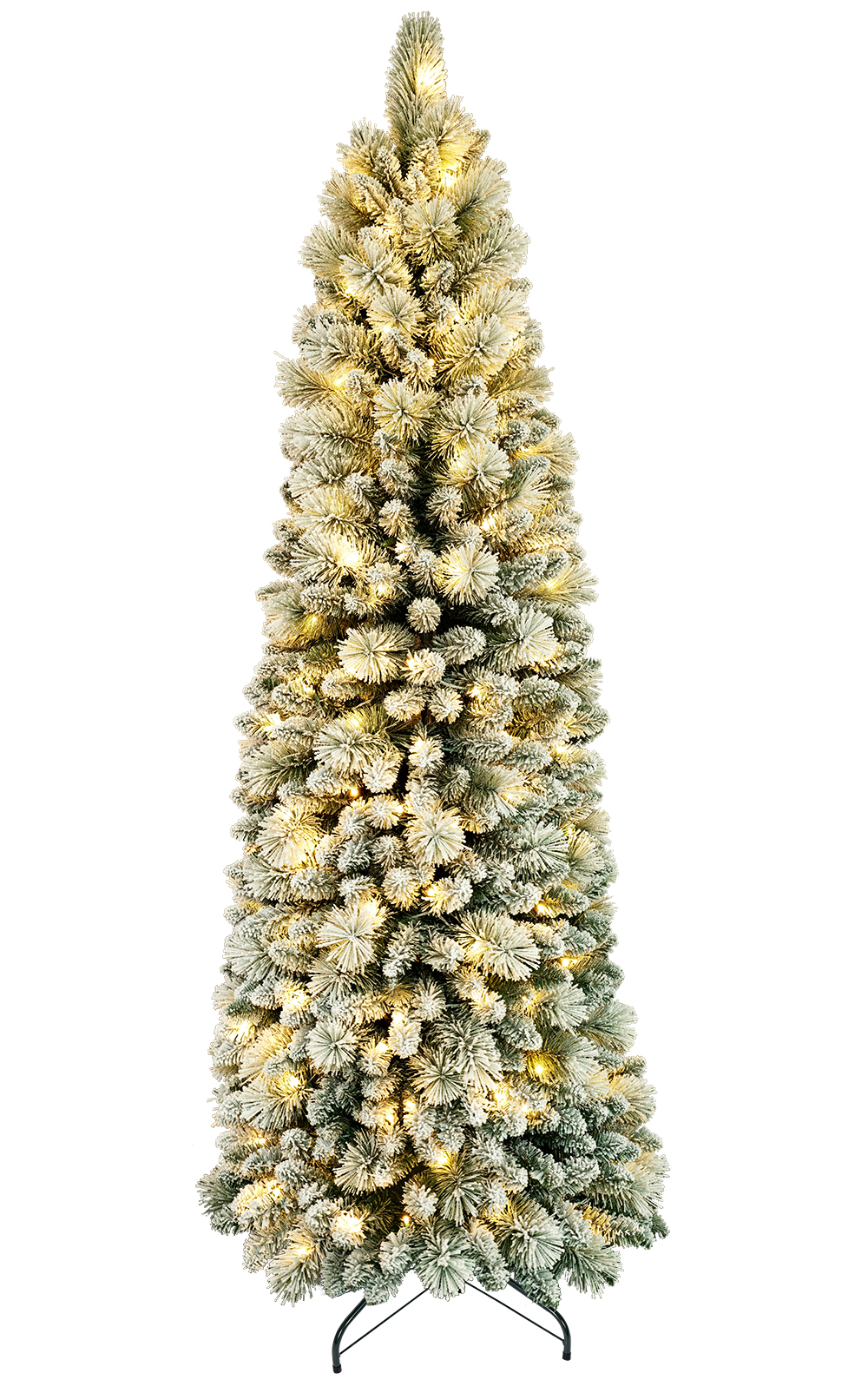
Material Durability and Weather Resistance
One of the key factors determining whether a Christmas tree with lights can be used outdoors is the durability of its materials. Outdoor trees are typically constructed with weather-resistant components to withstand rain, snow, wind, and UV exposure. The branches and needles of outdoor trees are often made from PVC or polyethylene, designed to resist fading and degradation. In contrast, many indoor Christmas trees may use materials that are less robust and can quickly deteriorate when exposed to harsh outdoor elements.
Electrical Safety and Waterproofing of Lights
The lighting component of a Christmas tree with lights is critical in assessing outdoor suitability. Outdoor-rated lights have waterproof casings and insulation to prevent short circuits, electrical shocks, or fire hazards caused by moisture exposure. Using indoor-only lights outdoors is risky and may cause dangerous accidents. Therefore, it is essential to verify that the lights on the tree have an appropriate outdoor safety certification, such as IP44 or higher, indicating protection against water ingress.
Power Source and Setup Considerations
When placing a Christmas tree with lights outside, practical considerations regarding power supply must be addressed. Outdoor trees often require extension cords rated for outdoor use, with proper grounding and protection against moisture. It is advisable to position the tree near a GFCI (Ground Fault Circuit Interrupter) outlet to reduce the risk of electrical faults. Additionally, securing the tree firmly to prevent it from being toppled by wind is important for safety and to protect the lighting system.
Maintenance and Longevity in Outdoor Conditions
Outdoor use subjects Christmas trees with lights to dirt, debris, and temperature fluctuations, which can impact their appearance and function over time. Regular inspection and cleaning are necessary to remove dust, leaves, or snow accumulation that might affect the lights or tree structure. Proper storage during off-season months is also vital to maintain the tree’s condition and ensure it remains suitable for outdoor use year after year.
Aesthetic and Functional Benefits of Outdoor Trees With Lights
Despite the challenges, using a Christmas tree with lights outdoors offers significant aesthetic benefits. It creates a welcoming ambiance for guests and passersby, enhancing the holiday spirit in front yards, patios, or community spaces. Outdoor trees can be larger and more elaborate, providing a grand visual impact. Moreover, weather-resistant lighting technologies like LED bulbs help maintain vibrant illumination with lower energy consumption.
Conclusion
A Christmas tree with lights can be suitable for outdoor use if it is specifically designed and certified for such environments. Key considerations include durable, weather-resistant materials, waterproof and safe lighting systems, and proper power supply management. While indoor-only trees and lights may not withstand outdoor conditions safely, opting for products made for outdoor use allows for a festive, safe, and visually appealing display throughout the holiday season.


